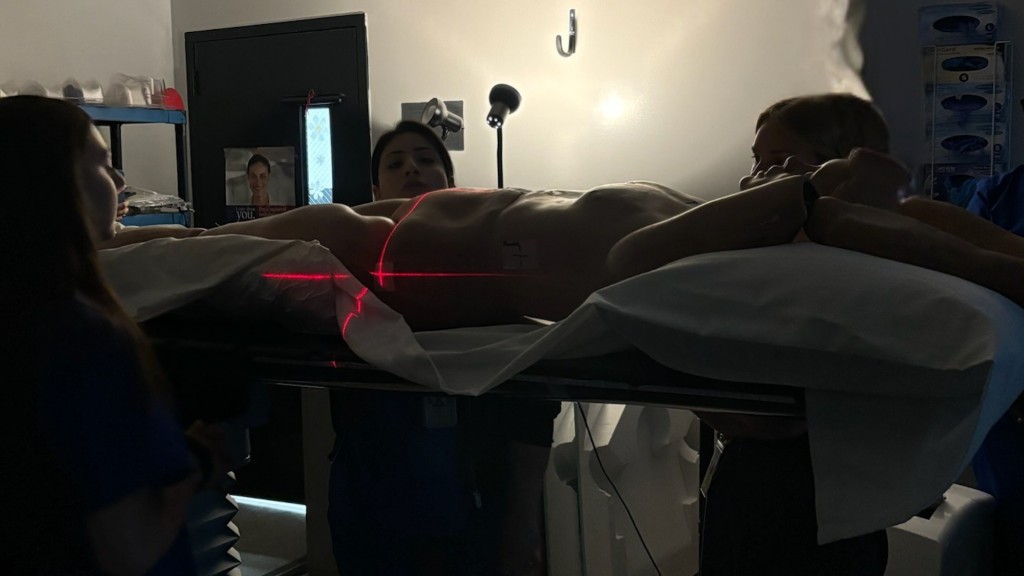
For many people diagnosed with cancer, radiation therapy is a critical part of their treatment plan. It is used to treat more than half of all cancer patients and plays an important role in improving outcomes and saving lives. But a new national study suggests that millions of Americans face a growing challenge—not because radiation therapy is unavailable, but because there may not be a treatment center close enough to receive it.
According to a recent study published in the International Journal of Radiation Oncology • Biology • Physics by the American Society for Radiation Oncology (ASTRO), more than 50 million Americans now live in counties without a radiation oncology practice site. Researchers found that from 2018 to 2025, hundreds of radiation oncology facilities disappeared, with rural communities experiencing the greatest losses. The findings highlight an important issue in healthcare: providing patients with access to cancer treatment is just as important as developing new treatments themselves.
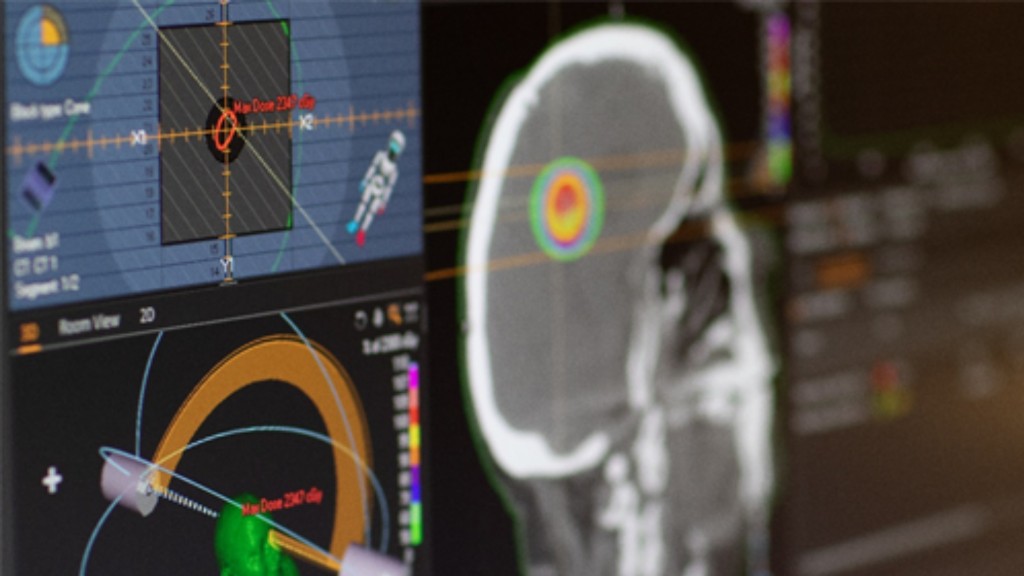
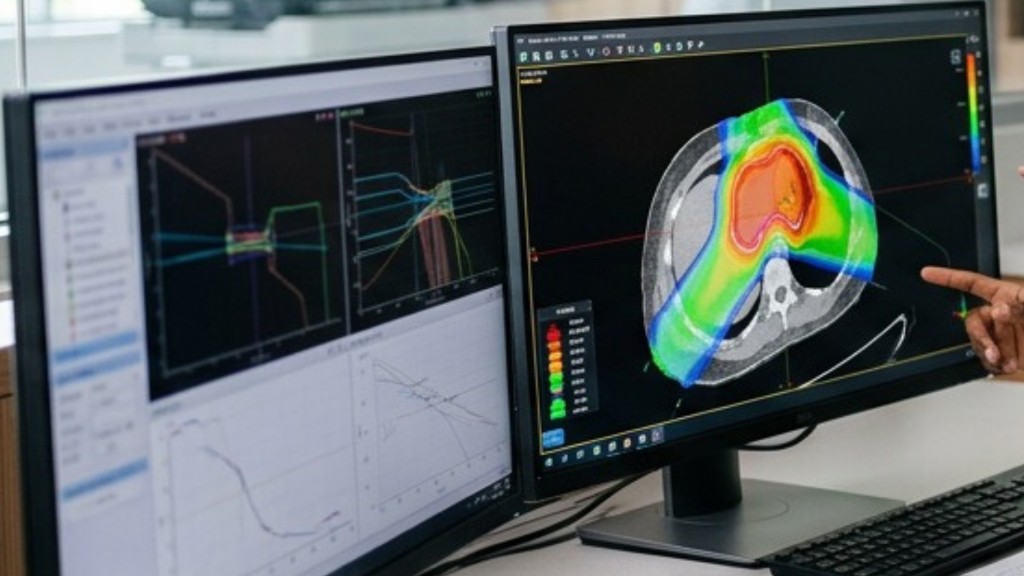
Radiation therapy uses carefully targeted, high-energy radiation to destroy cancer cells while minimizing damage to surrounding healthy tissue. Because treatment plans are highly individualized, patients often receive radiation over several weeks, requiring multiple visits to a treatment center. Having access to a nearby facility can make a tremendous difference for patients who are already managing the physical, emotional, and financial challenges of a cancer diagnosis.
Where treatment centers are disappearing
The study found that nearly 69% of U.S. counties had no radiation oncology practice site in 2025. While many larger cities still have multiple treatment centers, rural communities are often left with few—or no—local options when a clinic closes. Researchers reported that rural radiation oncology sites were significantly more likely to disappear than those located in urban areas, creating additional barriers for patients who may already have limited healthcare resources.
Long travel distances can create real obstacles to receiving treatment. Patients may need to drive hours each day, arrange transportation, take additional time away from work, or find temporary housing closer to a treatment center. For some individuals, these challenges may delay care or make completing an entire course of radiation therapy more difficult. Previous research has shown that greater distance from radiation treatment facilities is associated with poorer cancer outcomes, making access to care an important part of overall patient health. The study also found that counties without radiation oncology services were more likely to have lower average incomes, higher rates of uninsured residents, and fewer primary care physicians. These findings suggest that communities already facing healthcare disparities are often the same communities experiencing reduced access to cancer treatment.
Financial pressures have also contributed to these challenges. According to ASTRO, community-based and freestanding radiation oncology practices have experienced significant reimbursement reductions in recent years, making it increasingly difficult for some facilities to remain open. Researchers note that additional Medicare reimbursement changes introduced in 2026 could place even greater strain on practices that were already vulnerable before the policy changes took effect. As healthcare leaders continue discussing solutions, one message remains clear: maintaining access to radiation therapy requires a strong healthcare workforce. Every radiation oncology center depends on a team of highly trained professionals working together to provide safe, accurate, and compassionate patient care.
The professionals who make treatment possible
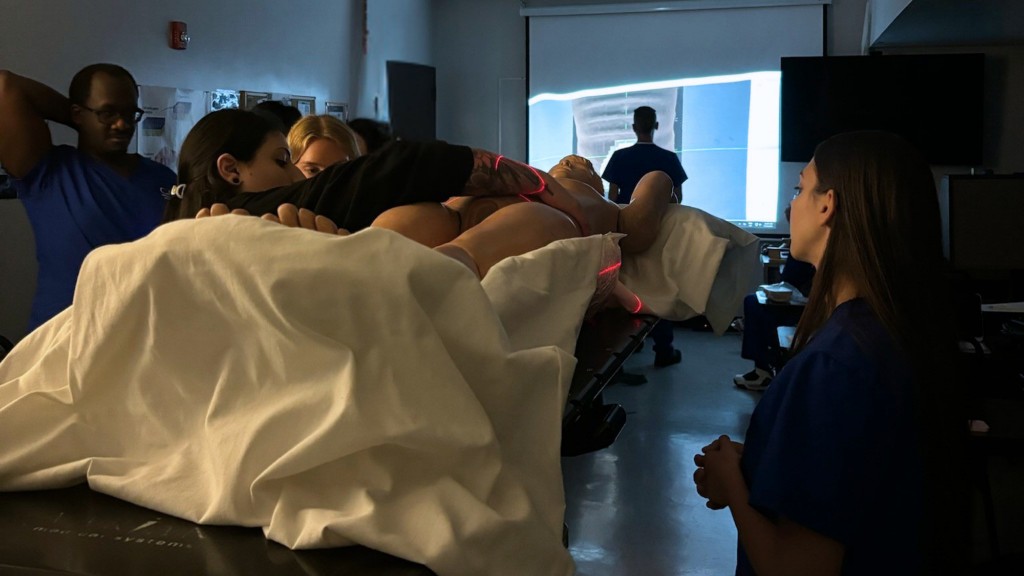
Among these professionals are medical dosimetrists, who design individualized radiation treatment plans to help ensure each patient receives the prescribed dose while protecting healthy tissues as much as possible. Radiation therapists deliver those treatments with precision, working closely with radiation oncologists and medical physicists throughout the patient’s care. Together, these professionals help make advanced cancer treatment possible every day. As the demand for cancer care continues to grow, so does the need for skilled healthcare professionals who are prepared to serve patients in hospitals, cancer centers, and community clinics across the country. While technology continues to improve radiation therapy, ensuring patients can actually access these lifesaving treatments remains equally important.
Here at CAHE, students preparing for careers in Medical Dosimetry and Radiation Therapy gain the knowledge, technical skills, and clinical experience needed to become valuable members of the cancer care team. As healthcare systems work to improve access to radiation therapy for patients across the country, trained professionals will continue to play an essential role in delivering safe, accurate, and compassionate care.
Source: ASTRO — “50 million Americans live in counties without a radiation oncology clinic, study finds”.