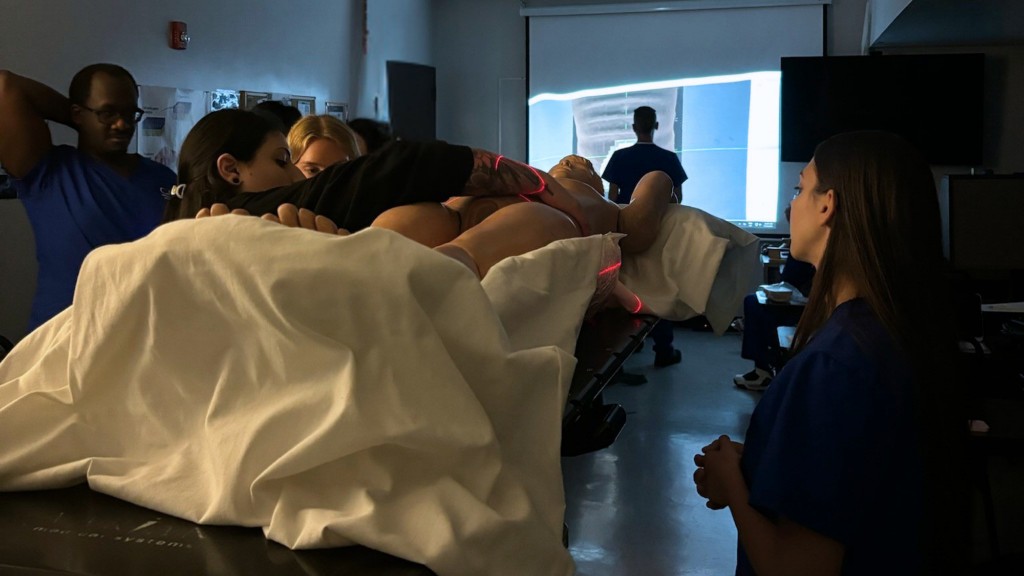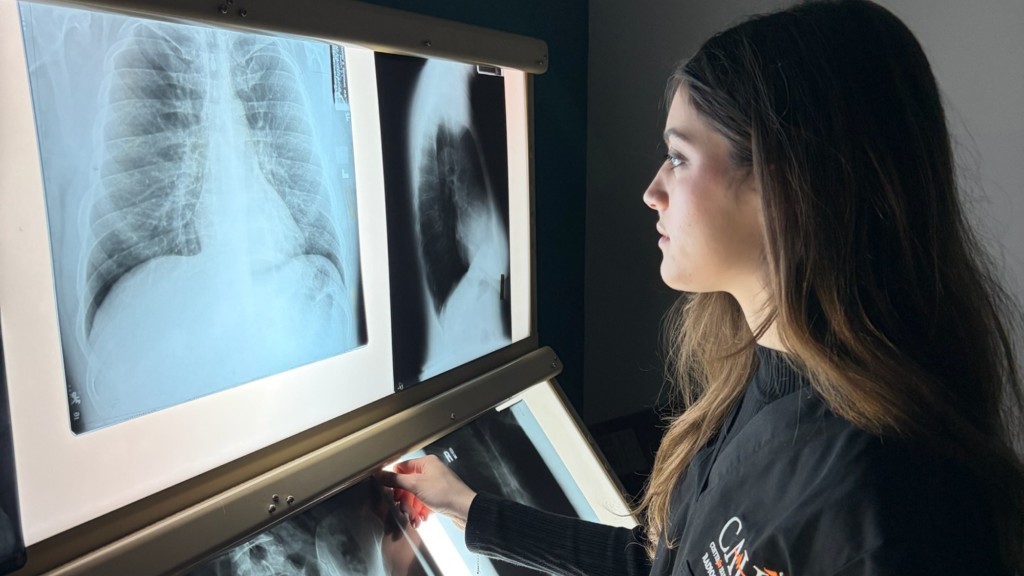
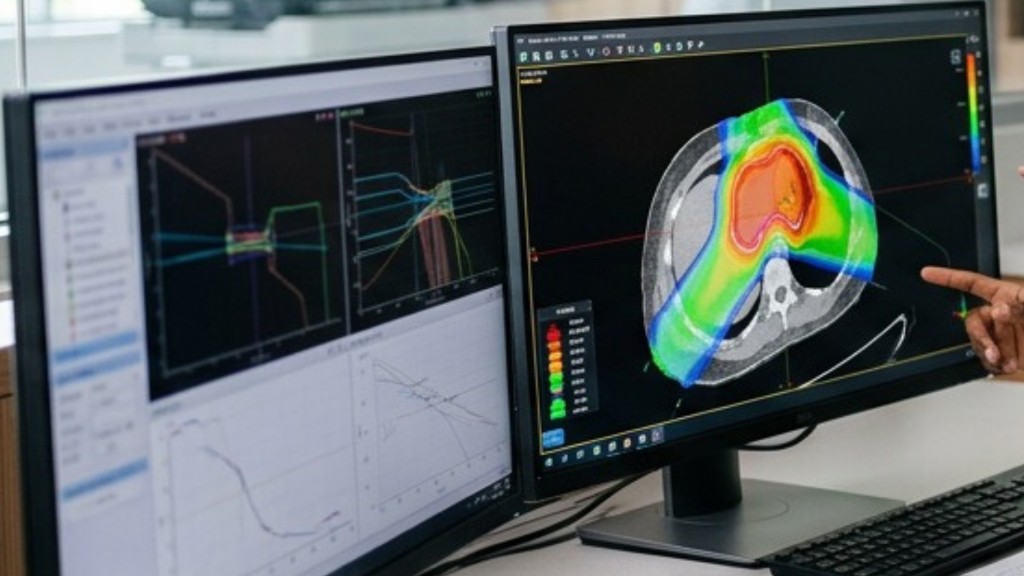
Radiation therapy is one of the most common and effective methods used to treat cancer. It can help destroy cancer cells, shrink tumors, and improve patient outcomes, making it an important part of modern cancer care. Although many people have heard of radiation therapy, they may not fully understand how it works, when it is used, or which healthcare professionals are involved in providing treatment. Radiation therapy can be used in several different ways depending on the type of cancer, the location and size of the tumor, the patient’s overall health, and the goals of treatment. By understanding the basic purpose and process of radiation therapy, patients and families can gain a clearer picture of how it fits into a broader cancer treatment plan.
Radiation therapy works by using high doses of radiation to damage the DNA of cancer cells. This damage prevents the cells from growing and dividing, eventually causing them to die. Healthy cells can also be affected by radiation, but cancer cells are generally less able to repair the damage. As a result, the treatment is designed to target cancer cells as precisely as possible while limiting exposure to nearby healthy tissue. Radiation therapy does not always destroy cancer cells immediately. In many cases, the cells continue to die for weeks or even months after treatment has ended. This gradual process is one reason radiation therapy is often delivered over a planned period of time rather than in a single session.
How radiation is delivered
There are several types of radiation therapy, and each one delivers radiation in a different way. External beam radiation therapy is one of the most widely used approaches. It delivers radiation from a machine outside the body directly to the area being treated. Internal radiation therapy, also known as brachytherapy, involves placing a radioactive source inside or near the tumor. This allows the radiation to target the affected area more closely. Systemic radiation therapy works differently because the radiation travels through the bloodstream to locate and destroy cancer cells throughout the body. Physicians choose the most appropriate type of radiation therapy based on factors such as the kind of cancer, the tumor’s size and location, the patient’s overall health, and the purpose of treatment.
Radiation therapy may be used for several different reasons. In some cases, it is given with the goal of curing cancer or preventing it from returning. In other cases, it may be used to slow the growth of cancer, reduce the size of a tumor, or control symptoms. Palliative radiation therapy is used to improve comfort and quality of life when cancer causes pain, breathing difficulties, or other complications. Even when radiation therapy is not expected to eliminate the cancer completely, it can still provide meaningful benefits by relieving symptoms and helping patients feel more comfortable. This range of uses demonstrates how versatile radiation therapy can be throughout different stages of cancer care.
Many types of cancer may be treated with radiation therapy, including cancers of the breast, prostate, cervix, head and neck, thyroid, and liver. Certain blood cancers, such as lymphoma, may also be treated with radiation. The form of radiation therapy used often depends on where the cancer is located and how it is behaving within the body. A treatment that is appropriate for one type of cancer may not be suitable for another. Advances in radiation technology have made it possible to target tumors with greater precision, which has expanded the number of cancers that can be treated effectively while helping reduce unnecessary exposure to surrounding tissues.
How it fits with other treatment
Radiation therapy is also frequently combined with other cancer treatments, including surgery, chemotherapy, and immunotherapy. It may be given before surgery to shrink a tumor and make it easier to remove. In some cases, radiation is used during surgery to target cancer directly. It may also be given after surgery to destroy cancer cells that may remain in the body. When radiation therapy is combined with chemotherapy or immunotherapy, the treatments may work together as part of a more comprehensive plan. The timing and combination of treatments depend on the patient’s diagnosis, the location and stage of the cancer, and the recommendations of the healthcare team.
Patients receiving radiation therapy may experience side effects because nearby healthy cells can be affected along with cancer cells. The type and severity of these effects depend largely on the area of the body being treated. Common challenges may include fatigue, nausea, and difficulty eating. Some patients may experience mild side effects, while others may need additional support throughout treatment. Proper nutrition can be especially important because the body needs energy and nutrients to recover. Patients should communicate openly with their healthcare providers about symptoms, eating difficulties, and any changes in how they feel so that the care team can offer appropriate guidance and support.
Radiation therapy can also affect a patient’s daily routine, work schedule, and lifestyle. Some people are able to continue working during treatment, while others may need a reduced schedule or medical leave depending on their symptoms and energy levels. The experience is different for every patient, and there is no single approach that works for everyone. Patients may need to make temporary changes to their routines, rest more often, or ask for help with everyday responsibilities. Staying in close communication with the healthcare team can help patients better understand what to expect and make decisions based on how treatment is affecting them.
Radiation therapy remains an essential part of modern cancer care because it can be used to treat cancer, prevent recurrence, slow disease progression, and relieve symptoms. Its effectiveness depends not only on advanced technology but also on the highly skilled healthcare professionals who plan, manage, and deliver treatment safely. By using precise treatment methods and combining radiation with other forms of cancer care when appropriate, healthcare teams can create individualized plans that meet each patient’s needs. For those interested in healthcare and cancer treatment, radiation therapy represents an important field that brings together science, technology, teamwork, and direct patient impact.
Source: National Cancer Institute — “Radiation Therapy for Cancer”.