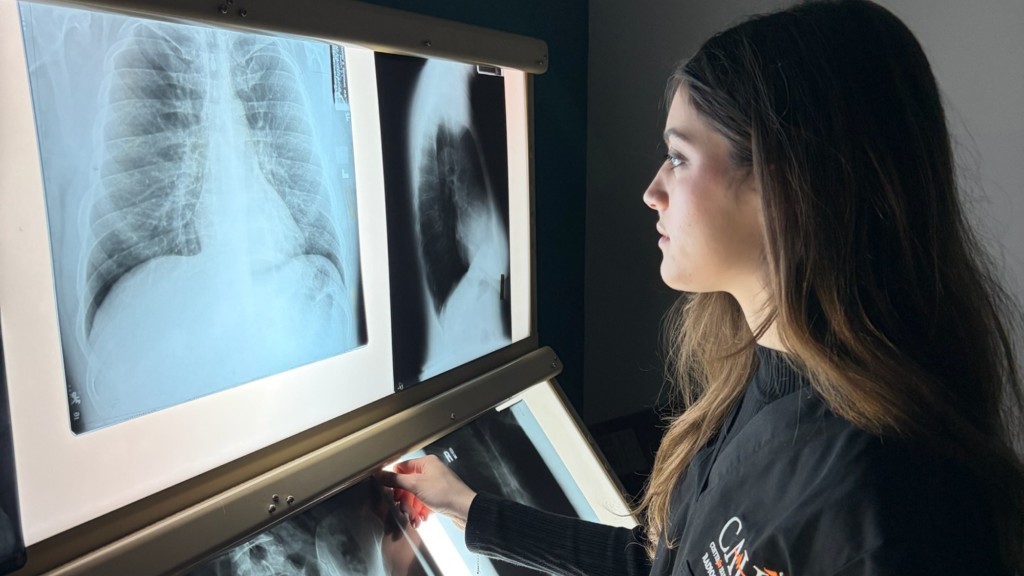
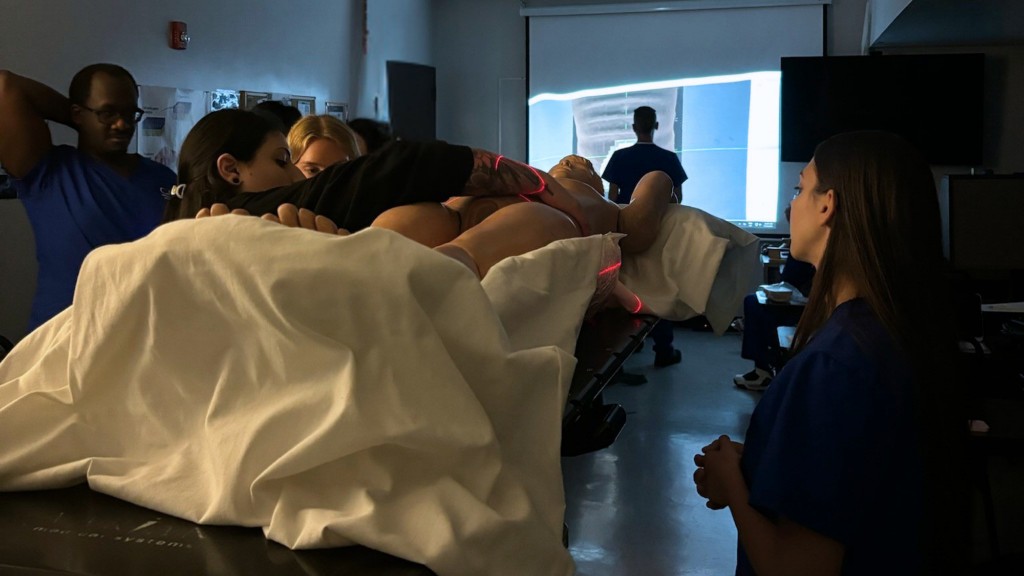
Radiation is an essential tool in modern medicine. It is used to treat many forms of cancer, create diagnostic images, and support nuclear medicine procedures. Because medical radiation must be delivered with great precision, healthcare professionals need reliable ways to measure exactly how much radiation a patient receives. This process is known as radiation dosimetry, and it plays a critical role in protecting patients and supporting effective treatment. In radiation therapy, high-energy radiation is directed toward a tumor to damage cancer cells and prevent them from continuing to grow. The treatment must be strong enough to target the tumor effectively while limiting unnecessary radiation exposure to nearby healthy tissue. Even a small difference between the prescribed dose and the dose actually delivered can influence the effectiveness of treatment or increase the possibility of side effects. Accurate dose measurement is therefore one of the most important parts of safe radiation care.
Dosimetry is the science of measuring and calculating radiation doses. It helps confirm that medical equipment is delivering radiation accurately and that patients receive the amount prescribed by their treatment team. Dosimetry is important not only in radiation therapy, but also in diagnostic radiology and nuclear medicine, where radiation is used to create images or evaluate how organs and tissues are functioning. The International Atomic Energy Agency, or IAEA, works with countries around the world to improve radiation measurement practices. Through calibration services, audits, training, scientific guidance, and laboratory support, the organization helps hospitals and cancer centers strengthen the accuracy and reliability of their dosimetry systems.
Calibration and dose audits
A central part of this work takes place at the IAEA Dosimetry Laboratory in Seibersdorf, Austria. The laboratory was established in 1961 and has supported radiation measurement practices for more than six decades. Its work helps medical facilities verify that their equipment is functioning correctly and that radiation doses are measured according to recognized standards. Two of the laboratory’s most important services are calibration and dose audits. Calibration helps medical facilities determine whether their instruments are measuring radiation correctly. When a hospital uses radiation therapy equipment, medical physicists must be confident that the machine is delivering the amount of radiation shown by its measurement system. Calibration compares those measurements with a trusted reference standard.
Dose audits provide another layer of quality assurance. During an audit, the accuracy of a facility’s radiation calculations and delivery methods is evaluated. These audits can help identify measurement differences before they affect patient care. Together, calibration and auditing allow medical physicists to confirm that their dosimetry systems are reliable and that prescribed radiation doses can be delivered accurately. The IAEA’s auditing methods have changed as technology has improved. Early inter-hospital dose comparisons were conducted in the 1960s using Fricke dosimeters and thermoluminescent dosimeters, commonly known as TLDs. TLDs eventually became the main tool used for the IAEA’s postal dose audit service because they were relatively precise, affordable, and easy to ship.
In 2017, the IAEA modernized the system by replacing aging TLD readers with radiophotoluminescent dosimetry systems. This newer technology made it possible to continue improving the precision and efficiency of dose audits. The development demonstrates how dosimetry must continue evolving alongside medical technology.
Calibration services have expanded as well. They were initially limited to measurements in air, but now include measurements of absorbed dose to water using cobalt-60 photon beams. Water is often used in radiation measurement because it can help represent how radiation behaves in human tissue. The laboratory also provides calibration services for high-dose-rate brachytherapy and X-ray beams used in both radiation therapy and diagnostic radiology. Brachytherapy is a form of radiation treatment in which a radioactive source is placed inside or near the area being treated. Because the source delivers radiation from a very close distance, precise calibration and measurement are especially important. Accurate dosimetry helps the treatment team deliver the prescribed dose while protecting surrounding areas as much as possible.
Training the people who measure dose
Training and education are also essential parts of the IAEA’s work. Radiation technology is used around the world, but countries do not always have equal access to specialized education, equipment, and technical resources. The IAEA works with the International Centre for Theoretical Physics to provide postgraduate training for students, particularly those from low- and middle-income countries.
These educational efforts include a Master of Advanced Studies in medical physics and, beginning in 2026, a Master of Advanced Studies in radiation metrology. The organization also supports regional and national courses, specialized workshops, technical meetings, and practical training sessions for medical physicists, radiation metrologists, and other dosimetry professionals.
The IAEA publishes guidance on dosimetry in radiation therapy, diagnostic radiology, and nuclear medicine. It also develops recommended curricula for medical physicists and radiation metrologists. These resources help establish consistent approaches to education and professional practice across different healthcare systems.
The recent modernization of the IAEA’s laboratories has strengthened this work. In October 2025, the organization inaugurated the Curie-Meitner Nuclear Applications Centre in Seibersdorf. The upgraded facility supports scientific collaboration and the development of improved tools for accurate radiation measurement. Continued innovation is especially important because radiation therapy and medical imaging technologies are developing rapidly. New treatment systems and imaging equipment may reach healthcare facilities before internationally accepted calibration and measurement protocols are fully established. This can create a delay between the introduction of new technology and the availability of standardized methods for verifying its performance.
Closing that gap will require cooperation among equipment manufacturers, regulators, hospitals, metrology institutes, researchers, and international organizations. By involving radiation measurement experts early in the development of new technology, the healthcare field can create calibration standards more efficiently and support safer implementation.
Radiation dosimetry may happen largely behind the scenes, but its impact is felt throughout medical care. Accurate dose measurement gives treatment teams confidence that radiation is being delivered according to plan. It also helps protect patients, supports treatment effectiveness, and promotes consistent standards across healthcare systems.
At CAHE, students preparing for careers in medical dosimetry and radiation-related healthcare fields have the opportunity to learn how science, technology, mathematics, and patient care come together. As radiation therapy and medical imaging continue to advance, trained professionals will remain essential to ensuring that these powerful technologies are used safely, accurately, and effectively.
Source: IAEA — “How Radiation Dosimetry Supports Safe Medical Care”.